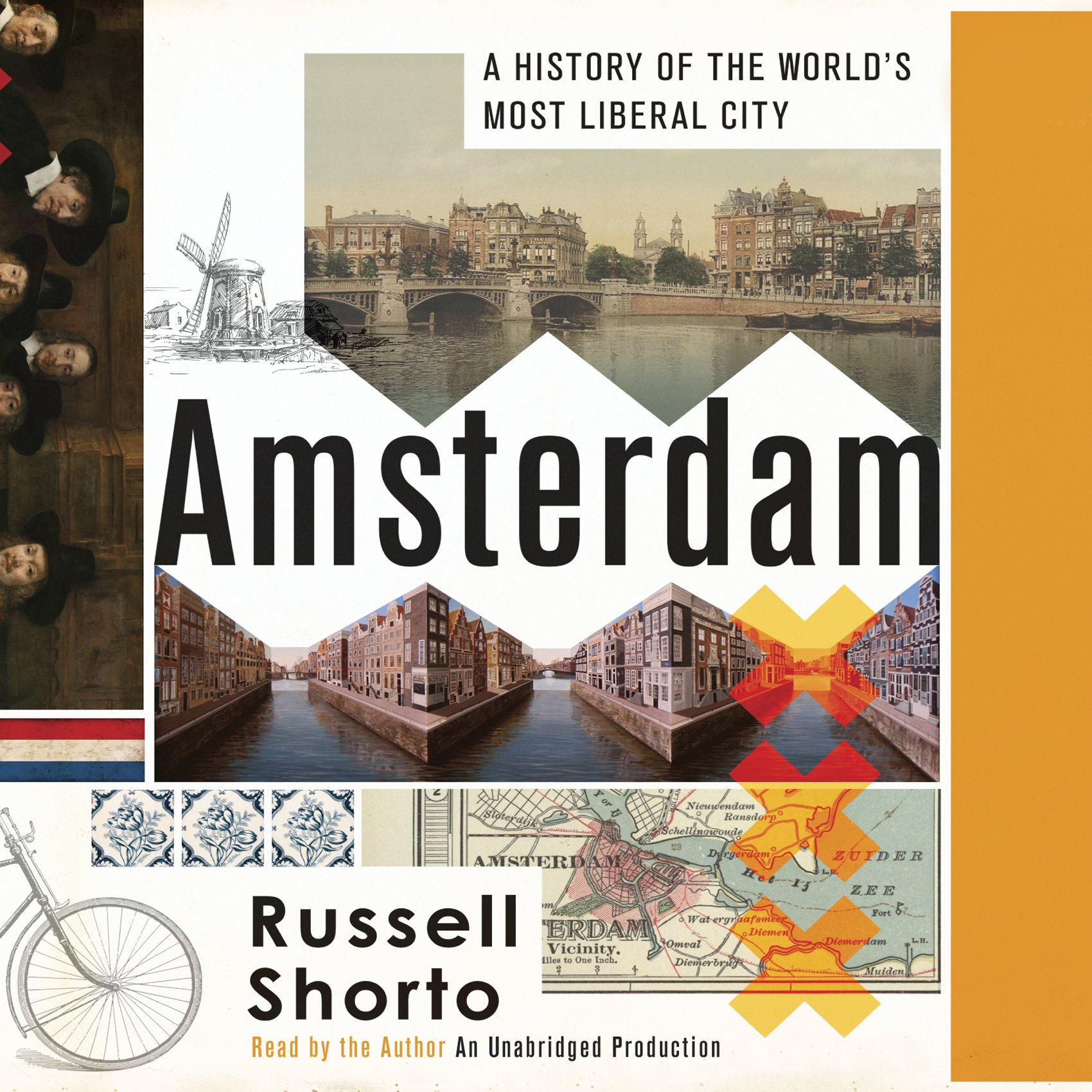
Amsterdam: A History of the World's Most Liberal City
4.5 | 1,312 ratings
Price: 17.72
Last update: 02-02-2026
Top reviews from the United States
- Tim MeritBSCAmsterdam’s History, People & Culture - Foundation Of Individual Freedom & A Source Of Enlightenment -- A Great BookDuring a recent visit to Amsterdam, I got Russell Shorto’s Amsterdam on my kindle. It’s a great book. It will enrich your Amsterdam experience, before, during or after a visit. Having read his Descartes’ Bones, I knew Amsterdam would be rich in history, rich in substance, thought provoking, well written and well told. I was not disappointed.
To add depth and texture to an Amsterdam visit, Russell Shorto's book will inform you about Amsterdam's history, people and culture. It includes some wonderful insights about The Rijksmuseum and its collection. If you are interested in how the canals and houses were built, good stories about people you know that lived in these houses, and how Amsterdam’s place in the world came to be, then get and read this wonderful book.
There are lots of little nuances that will strike you as you read this book. As just one tiny example, now I know the source of The Rolling Stones title for their late 60’s album, Beggars Banquet. Russell Shorto opens his book with a story about riding his bicycle. He got that so right. People riding their bicycles in Amsterdam is the first lasting impression you experience there. After all, we knew about the canals, right?
If a trip to Amsterdam is not on the horizon for you at the moment, then read this book because Russell Shorto will take you there and beyond, He will open your eyes to the rich deep history and people of Amsterdam. He’ll give you insights and perspective on the foundations of individual freedom and what made the Enlightenment so important to our lives today. - Kathleen F LamantiaReadable and interestingThis is a perfectly workman-like, popular history of the city of Amsterdam. Since I know little about it, I learned a great many interesting facts about the city, about famous people who have lived there and about the social and historical conditions prevailing at various times during its history.
Mr. Shorto uses the theme “liberalism” as the prism through which he examines this history. I did not find it a compelling unifier. I thought he was stretching the definition to allow himself to tell the history. I would have preferred it if he had just recounted the city’s story.
It seems to me that he wished to differentiate this volume from the many others written about European history in general and Amsterdam/The Netherlands in particular. I don’t think it was necessary for him to do so.
Shorto is an interesting writer with a pleasant voice and I would have read this anyway without the hook of "liberalism" to lure me. Perhaps Shorto felt that Amsteredam’s reputation as “the world’s most liberal city” would attract those interested in lurid accounts. That is not necessary. As I said in the beginning, this is a perfectly fine short history and is worth reading if you are interested in European history as I am. - pamela simone van beekWonderful historical narrativeIt's worth every page, the taste of history being made, with connections between countries and political factions in one era linked forward and backward in time, and close-ups of priests, philosophers, writers, sailors, traders, young couples and old, and their lives' individual influence on any given day as part of an ongoing international culture. Amsterdam emerges as the place where individualism and liberalism and the modern way of viewing society seemed to begin, and constantly recreate itself, proving incredibly important for this kind of social development in the rest of the world. One is reminded of dates and events in history in a context of real-time, with quotes from letters, and always in a well-researched conversation with the author. Russell Shorto is a writer who respects his reader, giving him time to assimilate, bringing him back to ideas and events mentioned from earlier parts of the book, and describing personages in recognizable fashion. One feels enriched, definitely, and grateful for this personalized yet detailed description of a city, its buildings and those who lived there over some 400 years, with its many layers accumulated through time, and the many overlapping moments of familiar human experiences.